
US Rider Review: What The Equestrian Motor Plan Actually Covers
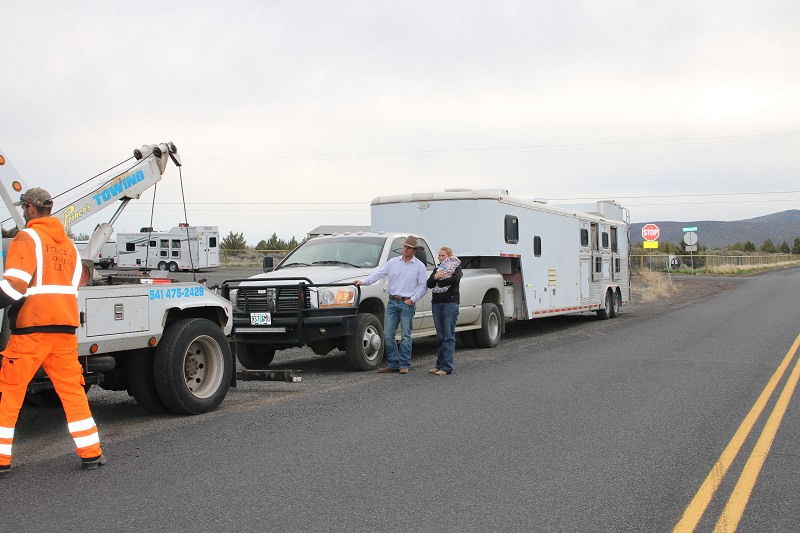
Most people find this company by searching “US Rider insurance” — or USRider, which is how the company styles its own name. Either spelling lands you in the same place, but the word “insurance” is worth clearing up first, because it changes how you should think about the product.
US Rider is not an insurance policy. It is a membership — an equestrian motor plan — that dispatches roadside help built around the problem of being broken down with horses on board. It does not replace your trailer insurance, your auto liability, or your horses’ mortality coverage. It sits alongside them and solves a different problem.
Here is what it covers, what it costs in %currentyear%, and who it is genuinely worth it for.
Is US Rider Insurance?
No. Insurance pays for a loss after it happens — a damaged trailer, an injured horse, a liability claim. US Rider is a service plan: you pay an annual membership, and in exchange they send help when your rig is disabled.
The distinction matters when something goes wrong. If a tire blows and the trailer is damaged, US Rider gets you and the horses off the roadside. Your physical damage coverage is what repairs the trailer. If you do not have that, we cover how it works on our horse trailer insurance page — a lot of owners assume the truck’s policy handles it, and it usually does not.
So the two are complements, not alternatives.
What US Rider Covers
Horse Trailer Towing And Roadside Service
The core of it. Towing for the tow vehicle and the trailer, flat tire assistance, jump starts, fuel delivery, lockout service, and winch-out when you have slid off into a ditch or a soft field.
The detail that matters here: coverage extends to dual-wheeled vehicles and trailers. Plenty of standard roadside plans quietly exclude dually trucks and anything you are towing, which is precisely the equipment horse people drive. A plan that stops at your hitch is not much use when the problem is behind the hitch.
Emergency Stabling, Veterinary And Farrier Referrals
This is the reason to consider US Rider over a general roadside plan, and it is the part no auto club offers.
If you are disabled somewhere unfamiliar with horses in the trailer, the vehicle is the smaller problem. US Rider will help arrange emergency stabling and provide veterinary and farrier referrals. Being able to make one call at ten at night and have someone who understands the situation start working the problem is the whole value proposition.
Coverage That Follows You, Not Your Vehicle
US Rider states that its coverage applies to any vehicle you are traveling in, with any driver behind the wheel. That is unusual and genuinely useful in this world — you might be in a friend’s truck, hauling in a borrowed trailer, or riding along while someone else drives to a show.
Read your own plan documents to confirm the terms, but as a structure it fits how horse people actually travel.
Theft Reward And Other Extras
Membership includes a $5,000 theft reward for the tow vehicle and trailer, an emergency disablement expense reimbursement, 24-hour concierge service, and a discount program with equestrian retailers and services. Premier members also get one free associate member.
Membership becomes effective 24 hours after you join, so it is not something you can sign up for from the side of the road.
US Rider Cost: Classic Versus Premier
| Classic | Premier | |
|---|---|---|
| First year | $215 | $385 |
| Activation fee | $29 (first year only) | none listed |
| First-year total | $244 | $385 |
| Towing | $400 per vehicle | Unlimited |
| Roadside service | $250 | $400 |
| Winch-out | $250 | $400 |
| Lock-out | $125 | Unlimited |
| Battery service | Standard | Unlimited |
| Free associate member | — | Included |
Pricing as published by US Rider for %currentyear%. Renewal rates are not published and are worth asking about before you join, since the first-year figure is the one advertised.
Which one is worth it? The gap is $141 in the first year. The honest answer depends on how far you haul.
Classic’s $400 towing limit is enough for a local tow in most markets. If you mostly trailer within an hour of home, it covers the realistic scenario. If you regularly haul long distances, to shows across state lines, or through areas where the nearest qualified heavy-duty tow is genuinely far away, one long tow will exceed $400 and Premier’s unlimited towing pays for the difference in a single incident.
Buy Classic if your hauling is local and routine. Buy Premier if a bad breakdown would be a hundred miles from anywhere — which, for most people hauling to competitions, it would be.
US Rider Versus AAA And Good Sam
US Rider publishes its own comparison against both, so read it with that in mind. The structural differences hold up regardless:
- AAA is built for passenger cars. Coverage for dually trucks and towed trailers ranges from limited to excluded depending on the tier and the club, and there is no equine component at all.
- Good Sam is built for RVs, so it handles large vehicles and towing far better than AAA. It still has nothing for the horses — no stabling, no veterinary or farrier referral.
- US Rider is the only one of the three designed around the animal in the trailer.
If you tow a horse trailer occasionally and would be fine leaving it at a shop overnight, an RV plan may be enough. If you have horses on board when things go wrong, the equine services are what you are actually buying.
Who Should Skip It
Worth saying plainly, because a review that recommends everything is not a review.
If you only haul a few times a year, always within thirty minutes of home, and you have a horse-savvy friend with a truck who would come get you — you may not need this. The same is true if your existing roadside plan already covers dual-wheeled vehicles and towed trailers and you are comfortable handling the horse side yourself.
The plan earns its cost when you haul often, haul far, or haul alone.
US Rider And Your Trailer Insurance
These cover different failures, and you want both:
- US Rider gets you and the horses off the road.
- Trailer physical damage coverage repairs or replaces the trailer.
- Liability coverage handles injury or damage you cause.
- Mortality or major medical covers the horses themselves.
Most owners have the second and third and have never thought about the first. Start with horse trailer insurance if you are not sure what you currently carry, or compare the equine insurance companies that write the whole picture on one account.
Frequently Asked Questions
Is US Rider insurance?
No. It is an equestrian motor plan — a roadside assistance membership. It does not pay for damage to your trailer or injury to your horses. You need separate insurance for that.
How much does US Rider cost?
Classic is $215 for the first year plus a $29 activation fee, so $244 to start. Premier is $385 for the first year. Renewal rates are not published.
Does US Rider cover my horse trailer?
Yes, including dual-wheeled trailers, which many standard roadside plans exclude.
Does US Rider cover me in someone else’s truck?
US Rider states that coverage applies to any vehicle you are traveling in, with any driver. Confirm the terms in your own plan documents.
How long before my US Rider membership is active?
24 hours after joining, so it is not something you can add once you are already broken down.
Is Premier worth the extra cost over Classic?
If you haul long distances, yes — Classic caps towing at $400 per vehicle and one long heavy-duty tow can exceed that. If you haul locally, Classic is usually enough.