
Two assumptions get horse owners into trouble.
The first is that a homeowners policy covers the horse. Often it does not, and the moment any money changes hands it almost certainly does not. The second is that the equine activity liability act in your state means you cannot be sued. It does not mean that, and the people who wrote those statutes never claimed it did.
Here is what equine liability insurance actually covers, what the state statutes really do, and what it costs.
What Equine Liability Insurance Covers
At its core, it responds when your horse — or your equine operation — injures someone or damages their property, and you are held responsible.
That includes the obvious: a horse gets loose and causes a car accident, a visitor is kicked in the aisle, a boarder’s child is bitten at the fence line. It also includes the less obvious, like a horse damaging a neighbor’s property after getting through a fence.
The part owners underestimate is defense costs. Liability policies pay to defend you, and in practice that is the more likely expense. A suit that ends in your favor still costs money to fight, and legal fees in a contested equine injury case reach well into five figures before anyone reaches a verdict. A policy that pays nothing on the claim but covers the defense has still done its job.
Does Your State’s Equine Activity Liability Act Cover You?
48 states have an equine activity liability act. Only California and Maryland have no such statute, according to Michigan State University’s Animal Legal & Historical Center.
These laws are real protection and worth understanding. They are also, routinely, misunderstood.
What The Statutes Actually Protect
They limit the liability of equine professionals and sponsors for injuries arising from the inherent risks of equine activity — the things that are simply true about horses. Horses spook. They kick, bite, buck and bolt. The ground is uneven and the animal is a thousand pounds with a mind of its own. If a rider is hurt because a horse behaved like a horse, the statute is generally what protects you.
Most statutes also require posted warning signage with specific language, and specific wording in contracts and releases. The requirements vary by state and the details matter — sign wording, letter height, and placement are all commonly specified.
The Exceptions That Let Suits Proceed
This is what gets missed. These are not zero-liability laws, and every statute carries exceptions. The common ones across states:
- Faulty or defective equipment or tack
- Failing to match the horse to the rider’s ability — putting a beginner on a horse that needs an experienced hand
- Dangerous conditions on the property that you knew about and did not address
- Intentional or reckless conduct
- Failure to post required signage, which in some states forfeits the protection entirely
Several state statutes go further and allow ordinary negligence claims to proceed. The industry’s own attorneys are blunt about this: none of these laws was written to end the need for liability insurance, and reading your own state’s exceptions is more useful than knowing your state has a statute at all.
Signs Are Not Waivers
A posted warning sign satisfies a statutory requirement. It is not a release of liability. A properly drafted waiver — where your state permits one, and some limit them — is a separate document doing a separate job, and it can address the exceptions a sign does nothing about.
If you run any operation where the public handles horses, both are worth having, and worth having reviewed by an attorney licensed in your state. This page is general information, not legal advice, and equine statutes differ meaningfully from one state to the next.
Personal Equine Liability Insurance
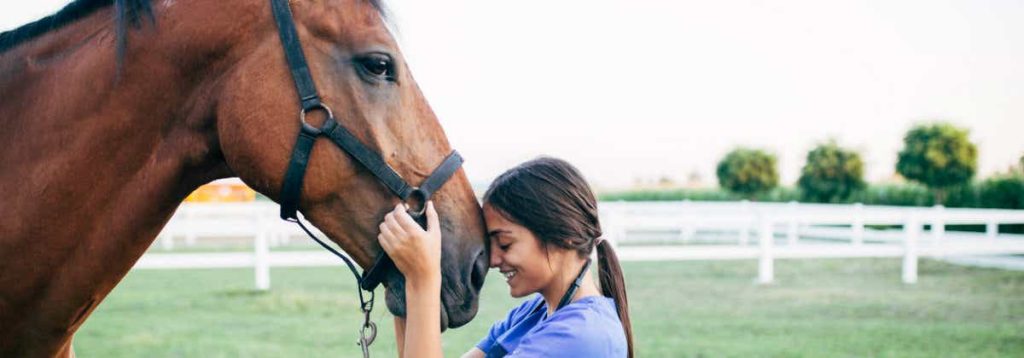
For the private owner who keeps a horse for their own riding and takes no money for anything.
This is the cheapest coverage in equine insurance and the most commonly skipped. It follows your horse, and it typically covers you whether the horse is at home, boarded elsewhere, at a show, or in transit.
Why Your Homeowners Policy May Not Cover It
Do not assume. Homeowners policies vary widely on horses, and there are three common problems:
Outright exclusion. Many policies exclude livestock, or exclude horses specifically, particularly if they are kept off the premises.
Off-premises gaps. A policy that covers the horse at home may stop covering it at a boarding barn, a show, or on the trail.
The business pursuits exclusion. This is the big one. The moment you take money — one lease, one lesson, one paid trail ride, a friend paying you to keep her horse over winter — you may have created a business activity, and personal policies exclude business pursuits. People cross this line without noticing it.
Call your carrier and ask specifically whether horses are covered, on and off premises, and at what limit. Get the answer in writing.
Commercial Equine Liability Insurance
Once money is involved, you need commercial coverage. That includes boarding barns, training operations, lesson programs, breeding operations, horse shows, camps, therapeutic riding centers, and anyone hauling horses for hire.
Commercial general liability covers bodily injury and property damage arising out of your operations — a boarder hurt on your property, a visitor injured at a show, damage you cause to someone else’s property.
Care, Custody And Control: The Exclusion That Catches Barns
Every standard commercial general liability policy excludes damage to property in your care, custody or control. And in every US state, a horse is legally personal property.
Read those two sentences together and the problem is obvious. If you board, train, haul, exercise or breed horses you do not own, and one of them is injured or dies while in your charge, your general liability policy does not cover it. That is not a gap in your carrier’s paperwork — it is the standard exclusion working exactly as written.
Care, custody and control coverage is the endorsement that fills it. Boarding facilities that care for horses belonging to others need it, and a great many operate for years without realizing they do not have it.
If you keep other people’s horses, this is the single most important thing to verify on your policy this week.
Equine Professional Liability Insurance
Sometimes called errors and omissions. It covers claims arising from your professional judgment and instruction rather than from a physical condition on your property.
The distinction matters. If a student is hurt because a gate latch failed, that is general liability. If a student is hurt because you put them on a horse beyond their skill level, or gave instruction that led to the injury, that is a professional claim — and notice that it maps directly onto one of the standard exceptions in the state statutes above.
Riding instructors, trainers, clinicians and judges should carry it. It is usually written alongside commercial general liability rather than instead of it.
How Much Does Horse Liability Insurance Cost?
Personal equine liability is genuinely inexpensive relative to what it protects.
| Coverage | Typical annual premium |
|---|---|
| Personal equine liability, one horse | roughly $85 – $275 |
| Personal equine liability, published starting rates | from around $175 |
| Commercial equine liability | varies widely by operation — see below |
Commercial premiums cannot be quoted meaningfully in a range because the inputs vary so much. What drives them:
- What you do — boarding, lessons, training, breeding, shows, hauling, or several at once
- How many horses and how many people come onto the property
- Whether the public rides — lesson and trail operations carry more exposure than a private training barn
- Number of employees
- Your limits and whether care, custody and control is included, and at what amount
- Claims history and how long you have operated
- State, since the statutory backdrop and the litigation climate differ
How Much Coverage Do You Need?
Limits commonly run from $300,000 to $2,000,000, and $1,000,000 per occurrence is the usual answer for a working operation. Two practical notes:
Many boarding barns and show grounds require boarders and exhibitors to carry their own liability coverage and to name the facility as an additional insured. Check the requirement before you arrive rather than at the gate.
And if you own a farm, look at whether an umbrella policy sits above your equine liability. Umbrella coverage is comparatively cheap for the limit it adds, and equine claims are the kind that can exceed a primary policy.
Who Needs Equine Liability Insurance
- Private owners. Even one horse. This is the cheap coverage that prevents the expensive problem.
- Boarders. Your horse at someone else’s barn is still your horse and still your liability. The barn’s policy protects the barn.
- Barn and facility owners. Commercial general liability plus care, custody and control.
- Trainers and instructors. Commercial plus professional liability.
- Breeding operations. Commercial, plus care, custody and control for mares boarded with you.
- Clubs, shows and events. Event liability, often required by the venue as a condition of using it.
- Commercial haulers. A different set of requirements again — see our horse transport and hauling insurance guide.
Get A Quote
Have ready: how many horses, what you do with them, whether anyone pays you for anything, how many people come onto the property, and whether you hold other people’s horses.
Get a free equine liability insurance quote →
Liability is one piece. Most owners also carry equine mortality coverage on the horse itself, and anyone towing should read our horse trailer insurance guide — trailer liability behaves differently once the trailer is unhitched. You can also compare the carriers writing equine liability.
Frequently Asked Questions
Do I need liability insurance for my horse?
If you own a horse, almost certainly yes. Your horse can injure someone or damage property whether or not you are present, and personal equine liability typically costs under $300 a year. Your state’s equine activity liability act limits some claims but does not eliminate them.
Does my homeowners insurance cover my horse?
Sometimes, often only partially, and frequently not at all once the horse is off your property or you take any money for horse-related activity. Ask your carrier directly and get the answer in writing.
What does the equine activity liability act in my state do?
48 states have one — all except California and Maryland. They limit liability for injuries caused by the inherent risks of being around horses. They do not cover faulty equipment, mismatching a horse to a rider, known dangerous conditions, or reckless conduct, and some states allow ordinary negligence claims to proceed
How much does equine liability insurance cost?
Personal equine liability commonly runs $85 to $275 a year, with published starting rates from around $175. Commercial coverage depends entirely on what your operation does.
What is care, custody and control coverage?
General liability policies exclude damage to property in your care, and horses are legally property. If you board, train or haul horses you do not own, care, custody and control is the endorsement that covers injury to those horses. Without it, that exposure is uninsured.
Do I need liability insurance if my horse is boarded?
Yes. The barn’s policy protects the barn. Your horse remains your liability, and many facilities require boarders to carry their own coverage and name the barn as an additional insured.
Is a signed waiver enough?
No. A waiver is useful where your state permits it, but state law limits what waivers can do, and they do not replace insurance. A posted warning sign is a statutory requirement, not a release.